Helpful Resources
Understanding Cremation & Urns:
A Guide for Families
What Is Cremation?
Cremation is a respectful and increasingly popular alternative to traditional burial. It involves the process of reducing a body to ashes through the application of high heat, typically in a cremation chamber. Families often choose cremation for its simplicity, flexibility, and affordability.
Benefits of Cremation
- Cost-effective compared to traditional burials
- Environmental considerations with fewer land-use concerns
- Flexibility in memorial services (timing, location, style)
- Portability of ashes for scattering or keeping close
What Are Urns?
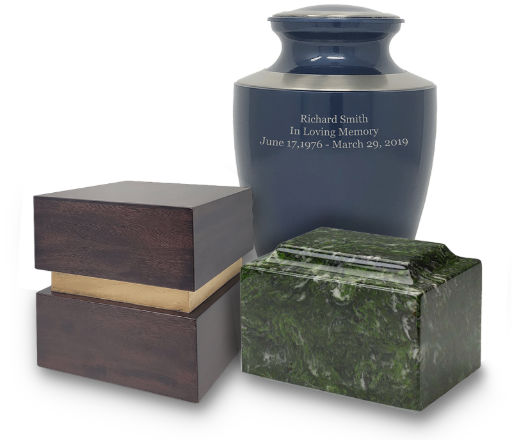
An urn is a container designed to hold the ashes (also called “cremains”) of a loved one after cremation. Urns come in a wide range of materials, sizes, and styles to reflect the personality of the deceased or the preferences of their family.
Common Types of Urns
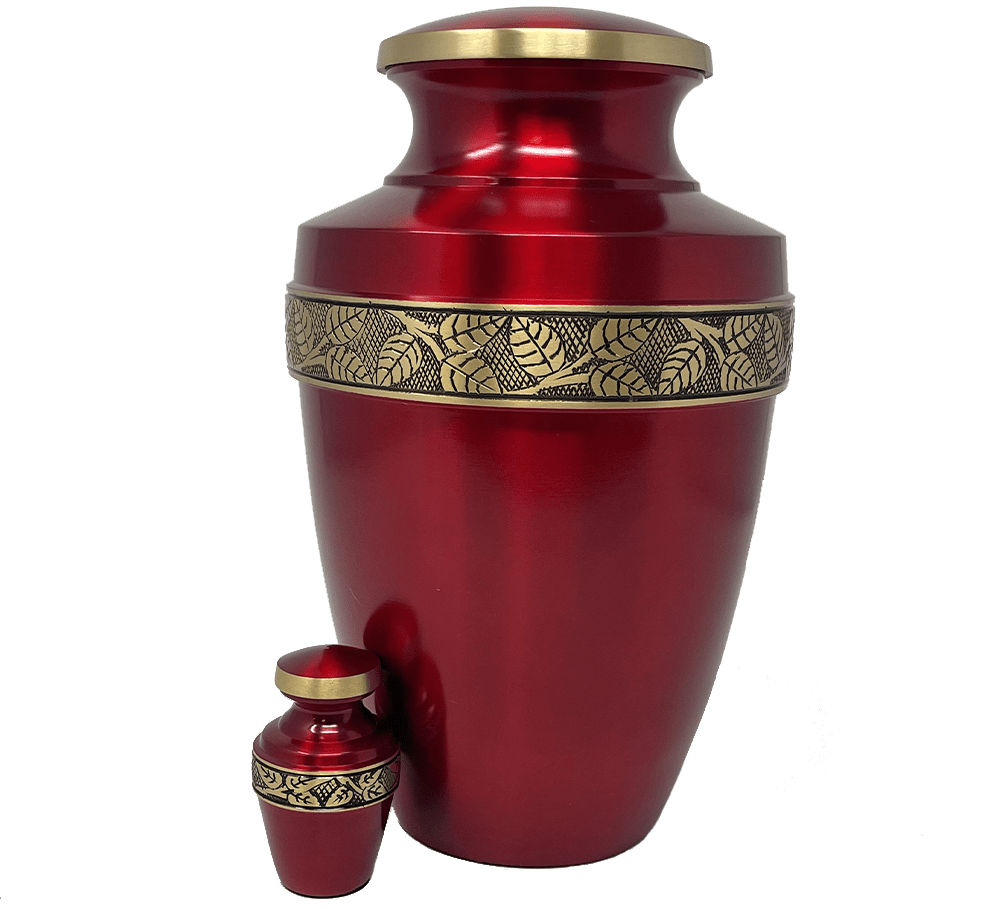
- Keepsake Urns: Small urns that hold a portion of ashes, often shared among family members.
- Display Urns: Decorative urns intended for placement in a home, niche, or columbarium.
- Biodegradable Urns: Made for eco-conscious burials or water-based memorials.
- Scattering Urns: Designed for easy ash release during scattering ceremonies.
- Companion Urns: Larger urns intended to hold the ashes of two individuals.
How to Choose the Right Urn
Selecting an urn is a deeply personal decision. Consider the following factors:
1. Final Resting Plan
- Will the urn be buried, kept at home, placed in a columbarium, or scattered?
- Some cemeteries and columbariums have size or material requirements.
2. Size
Urns are generally sized by the volume of ashes they hold:
- Standard adult urns typically hold about 200 cubic inches.
- Keepsake urns hold less than 50 cubic inches.
- Companion urns may hold 400 cubic inches or more.
Tip: One pound of body weight equals approximately one cubic inch of ash.
3. Material
Common urn materials include:
- Wood: Elegant and warm; ideal for home display
- Metal (e.g., brass, bronze): Durable and classic
- Ceramic: Delicate and artistic
- Glass or crystal: Unique and decorative
- Biodegradable options: Perfect for green burials or water release
4. Design & Personalization
- Many families choose an urn that reflects the personality, faith, or hobbies of their loved one.
- Custom engravings, photo frames, and themed artwork offer personal touches.
Additional Considerations
Keepsakes & Memorial Jewelry
Some families opt to preserve a small portion of the ashes in keepsake urns or memorial jewelry such as pendants, rings, or bracelets.
Legal & Cultural Aspects
- Always check local laws regarding ash scattering and transportation.
- Different cultures and religions may have specific cremation and urn traditions.
Conclusion: Honoring a Life, Preserving a Legacy
Cremation and urn selection are powerful steps in honoring a loved one’s life and legacy. Whether you are pre-planning or making arrangements after a loss, understanding your options helps you make informed and meaningful choices.
Need Help Choosing an Urn?
Contact our experienced staff for personalized guidance or explore our urn collection catalog to find the perfect tribute.